2026-08-23 ·
How to Prepare Your Roof for Hurricane Season
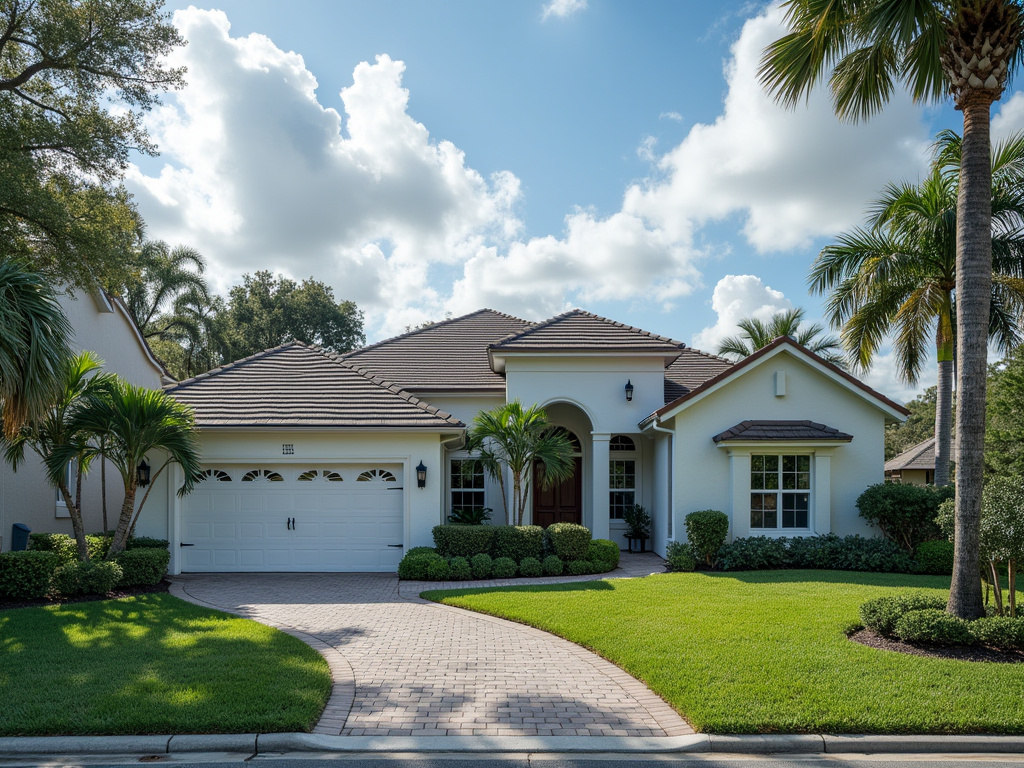
Start inspections and repairs at least 60 days before peak hurricane season begins in June so any issues in neighborhoods like Riverside or San Marco can be addressed before storms arrive. In Duval County the combination of high humidity, heavy summer rains, and occasional tropical systems means roofs must handle both wind uplift and prolonged water exposure. Older housing stock in areas such as Avondale and Springfield often features aging shingle systems that lose granules faster under these conditions, while homes near the St. Johns River contend with additional moisture from tidal surges.
Schedule a Professional Roof Inspection
A thorough roof inspection identifies weak points before winds reach 74 mph or higher. Focus on homes in Mandarin and Arlington where tree cover increases the chance of branch damage during storms. Check for loose or missing shingles, damaged flashing around chimneys, and soft spots in the decking that indicate water intrusion from prior rains. In Jacksonville's humid subtropical climate these small defects can worsen quickly once hurricane season starts. Schedule the inspection early enough to allow time for any needed work before June. Roof Inspection provides a clear report on current condition and recommended fixes.
Reinforce Vulnerable Areas on Older Homes
Many homes built before 1990 in Downtown Jacksonville and Springfield have roofs that predate current wind-load standards. Secure or replace ridge vents and ensure attic vents are rated for high winds to prevent pressure buildup inside the structure. Pay special attention to valleys and eaves where wind-driven rain commonly enters during Duval County storms. If your roof is approaching the typical 15- to 20-year lifespan for asphalt shingles in this climate, document its condition now so you can plan replacement before the next season. When Should You Replace a Roof in Florida? outlines timing considerations based on local weather exposure.
Improve Drainage and Flashing
Standing water becomes a major issue once hurricane rains exceed 4 to 6 inches in a few hours, especially on flat sections or low-slope additions common in Arlington. Clean gutters and downspouts thoroughly and verify they direct water at least 6 feet away from the foundation. Re-seal or replace step flashing along walls and skylights to block wind-driven moisture. Properties near Atlantic Beach and Neptune Beach also face salt air that accelerates corrosion on metal components, so inspect those fasteners and replace any showing rust. Proper drainage reduces the load on the roof deck during prolonged wet periods typical of late summer in Duval County.
Plan for Post-Storm Response
Even well-prepared roofs can sustain damage, so know the steps to take immediately after a storm passes through Jacksonville. Document any visible issues with photos before attempting temporary fixes and avoid walking on compromised sections. Contact a local contractor familiar with storm claims in Orange Park and surrounding areas to assess whether repairs or full replacement is warranted. Storm Damage Roof Repair covers common issues seen after Duval County hurricanes. Review What to Do After Storm Damage to Your Roof for a step-by-step checklist tailored to Florida conditions.