2026-08-23 ·
How Florida Weather Affects Your Roof
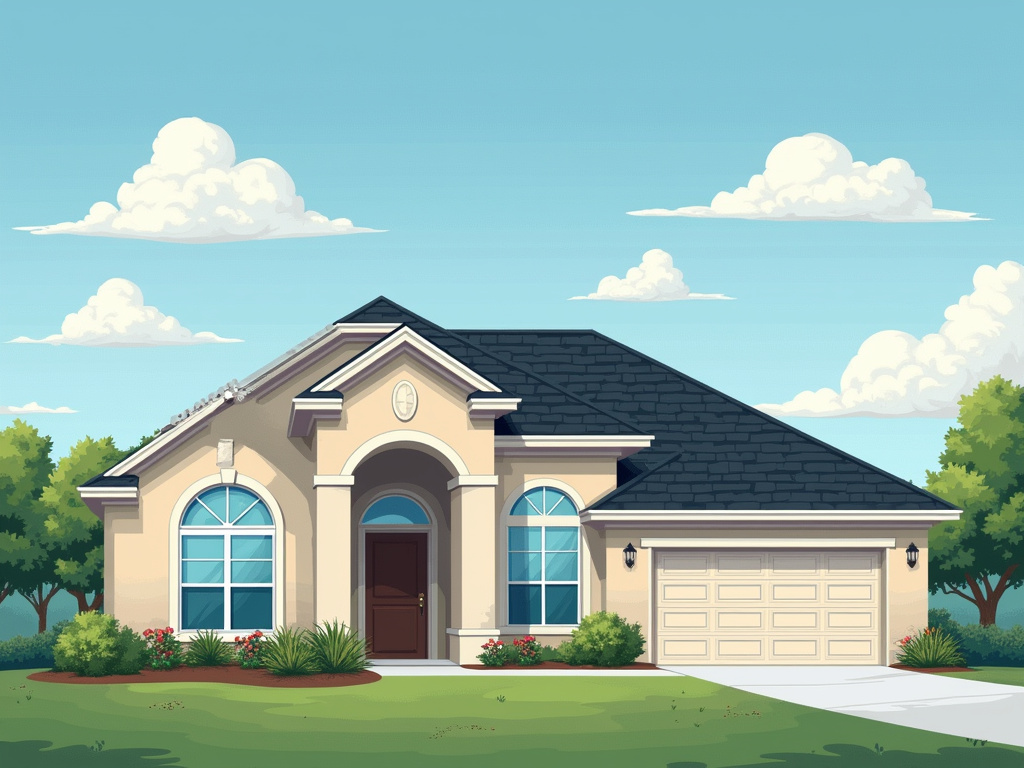
Jacksonville's humid subtropical climate shortens typical asphalt shingle lifespan to 15-20 years in neighborhoods such as Riverside and Downtown Jacksonville due to constant moisture and UV exposure. The combination of hot summers, frequent afternoon thunderstorms, and occasional tropical systems accelerates wear on roofing materials throughout Duval County.
Summer Heat and UV Degradation
High temperatures in Jacksonville often exceed 90 degrees for weeks during summer, baking roofs in areas like San Marco and Arlington. This constant heat causes shingles to lose oils faster, leading to cracking and granule loss within 8-12 years on south-facing slopes. UV rays penetrate deeper in the humid air near the St. Johns River, fading colors and weakening underlayment in homes built before 1990. Metal roofing systems hold up better here but still require inspections every 3-5 years to check for expansion issues. Homeowners in Mandarin notice similar patterns on older tile roofs where heat retention increases attic temperatures by 20-30 degrees. Regular checks prevent small problems from turning into leaks during the next rainy season.
Humidity, Rainfall, and Moisture Intrusion
Jacksonville receives 50 inches of annual rain concentrated in summer months, creating prolonged damp conditions that promote algae and moss growth on roofs in Springfield and Avondale. High humidity prevents materials from drying completely between storms, allowing water to seep under flashing around chimneys and vents. In neighborhoods near the St. Johns River, elevated moisture levels accelerate wood rot in decking, especially on homes 30-50 years old. Flat roof systems in commercial buildings around EverBank Field face additional ponding risks during heavy downpours. A professional roof inspection identifies these hidden issues before they spread to insulation and ceilings.
Tropical Storms and Wind Damage
Hurricane season brings gusts that can reach 60-80 mph even in weaker systems, lifting shingles in exposed spots throughout Arlington and near Kingsley Plantation. Wind-driven rain forces water under eaves in older homes along the riverfront, while debris from oak trees common in these areas punctures surfaces. Properties in Orange Park and Atlantic Beach experience similar impacts from coastal winds. Preparing ahead reduces risks significantly, as detailed in our guide on How to Prepare Your Roof for Hurricane Season. Post-storm assessments often reveal that timely repairs extend roof life by 5-7 years in storm-prone sections of Duval County.
Mild Winters and Long-Term Planning
Mild winters with occasional freezes still cause contraction in metal components and sealant failure around penetrations in homes across Neptune Beach. These temperature swings compound summer damage, pushing many roofs toward replacement around the 18-year mark. Tracking these cumulative effects helps determine when to schedule work, especially when comparing options in When Should You Replace a Roof in Florida?. Florida Roofing Network serves these communities with consistent availability Monday through Friday from 8am to 6pm and Saturday from 9am to 2pm.