2026-08-23 ·
How Long Does a Roof Last in Florida?
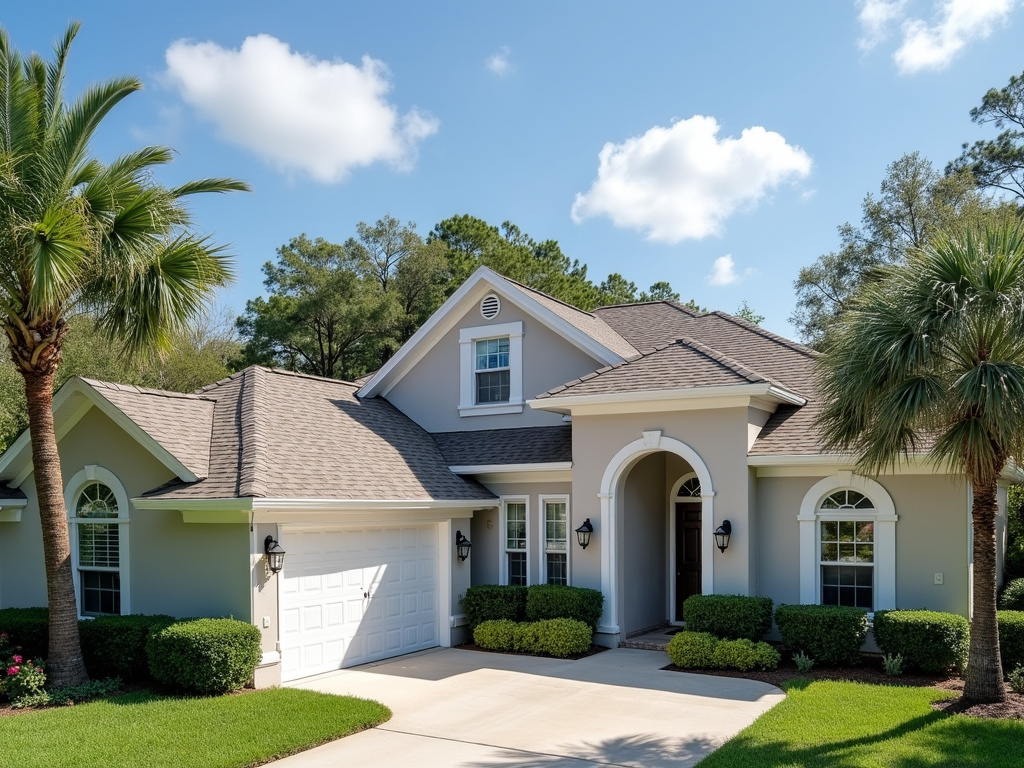
In Duval County a typical asphalt shingle roof lasts 15–25 years while metal systems reach 40–50 years when properly maintained. Jacksonville's humid subtropical climate with hot summers and mild winters accelerates wear on every roof through constant moisture and UV exposure. Homes in Riverside, San Marco, and along the St. Johns River see faster algae and moss growth because of higher humidity and shade from mature trees. Properties in Mandarin and Arlington built on sandy soils experience different thermal expansion stresses than those closer to Downtown Jacksonville or Springfield.
Material Choices and Expected Lifespans
Asphalt shingles remain the most common choice on Jacksonville homes because they handle the region's temperature swings well. In practice these shingles reach the 15–25 year mark when installed over properly ventilated decks and kept free of debris. Metal roofing, popular on newer builds in Avondale and near EverBank Field, routinely exceeds 40 years because it sheds water quickly and resists wind-driven rain from coastal storms. Flat roof systems on commercial buildings downtown typically require replacement every 20–25 years due to ponding water that develops during heavy summer rains. Homeowners weighing options often compare shingle roofing vs metal roofing in Florida to match material to their specific neighborhood conditions.
How Local Climate and Terrain Affect Longevity
Jacksonville's hot summers push roof surface temperatures above 160 degrees, which dries out shingles and loosens granules faster than in milder inland areas. Mild winters still bring enough rain to keep decks damp, encouraging rot around flashing on homes in Springfield and near the Cummer Museum. The St. Johns River creates a microclimate of higher salt air for properties in Atlantic Beach and Neptune Beach, shortening metal fastener life unless stainless hardware is used. Sandy soils in Mandarin and Orange Park allow better drainage but increase foundation movement that can crack ridge lines over decades. These factors combine to make regular roof inspection essential every two to three years rather than the five-year schedule used farther north.
When Replacement Becomes Necessary
Most Jacksonville roofs show clear signs of aging between 18 and 22 years. Missing shingles, widespread granule loss in gutters, and daylight visible from the attic indicate the system has reached the end of its reliable service life. Storm events that hit Duval County every few years can advance that timeline by five to eight years on older homes in San Marco and Avondale. When leaks appear around skylights or plumbing vents, prompt roof replacement prevents interior damage that costs far more than the roof itself. Tracking these milestones against the original install date helps owners in neighborhoods like Arlington plan budgets without emergency surprises.
Practical Steps to Maximize Roof Life
Schedule professional cleaning twice a year to remove pine needles and oak leaves that trap moisture on roofs in Riverside and Mandarin. Keep attic ventilation clear so hot summer air escapes and reduces thermal stress on shingles. Trim tree limbs that overhang the roof edge to limit shade and organic debris accumulation. After any named storm, walk the property or hire a local crew to check for lifted shingles and damaged flashing before small issues become leaks. These habits, applied consistently, push many Jacksonville roofs toward the upper end of their expected lifespan ranges.